image
image

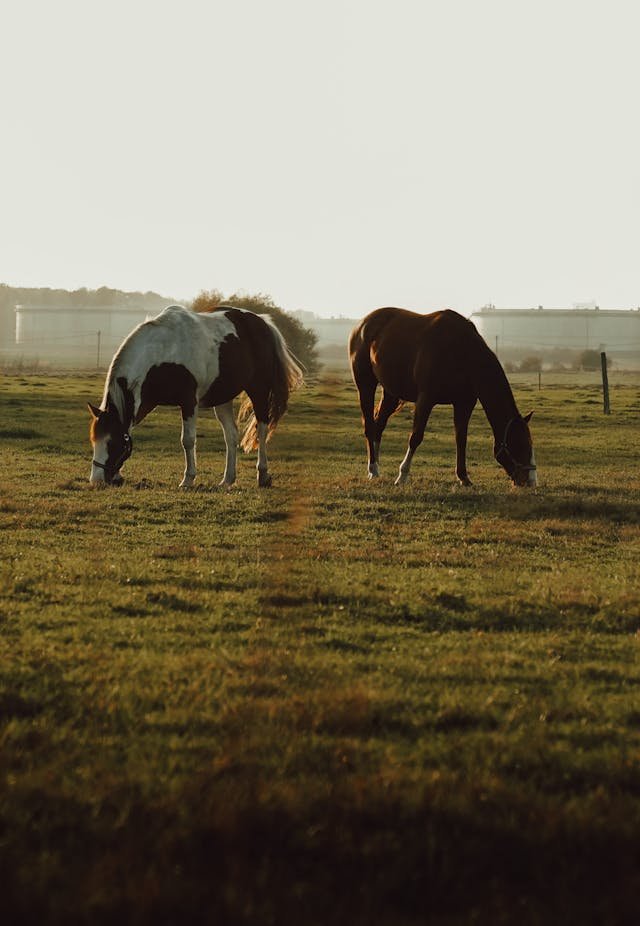
As a landowner or representative of a local authority in Essex, you may encounter instances where horses are tethered or grazing on your property without your consent. This issue, commonly called “fly grazing,” is increasing across the county. Beyond being a nuisance, fly grazing can place legal responsibility for the animals’ welfare on the landowner, potentially resulting in significant financial implications.

Professional Assistance for Safe and Humane Removal

Essex Bailiffs offers expert support under relevant animal welfare and control laws to ensure the safe and ethical removal of unauthorised horses. Our team of specialists are highly trained in equine detention and removal, setting a standard for professional care in this field.

If you discover horses grazing or tethered on your property without permission, we can initiate the removal process promptly, often within hours.

Our equine removal experts will

Serve required notices

Serve required notices

Issue 96-hour notices in compliance with applicable legislation.

Conduct safety assessments

Conduct safety assessments

Perform thorough Health & Safety evaluations, ensuring the horses have sufficient food and water during the process.

Detain or relocate the horses

Detain or relocate the horses

Secure the animals on-site or move them to a suitable location as instructed.

Notify relevant authorities

Notify relevant authorities

Secure the animals on-site or move them to a suitable location as instructed.

Document the situation

Document the situation

Capture photographic evidence of the horses and any notices served.

Manage inquiries

Manage inquiries

Handle follow-ups related to the notices issued.

Next Steps for Landowners

If the horses are not claimed or removed by their owners within the statutory period, ownership transfers to the landowner. At this point, you can instruct our team to arrange the safe removal of the horses.

Options for the horses may include adoption by a new owner, placement in livery facilities, or transfer to a horse charity. Unfortunately, in cases where horses are in extremely poor health, humane euthanasia may be required based on veterinary advice. Thanks to the swift actions of our equine experts, such outcomes are rare.

Removal of Fly-Grazing Livestock In Essex

Frequently Asked Questions

1 What is fly-grazing, and why is it a problem?

Fly-grazing occurs when livestock, typically such as horses, are illegally left to graze on someone else's land without permission. It can damage property, harm the environment, and pose safety risks to the public and other animals.

2 Can bailiffs be used to remove fly-grazing livestock?

Yes, bailiffs can be instructed to remove fly-grazing livestock. This process is typically carried out under the Control of Horses Act 2015 in England or similar legislation in other jurisdictions. Landowners can also work with local authorities or legal professionals to initiate the removal process.

3 Does a landowner need a court order to remove fly-grazing livestock?

A court order is not required. Under the Control of Horses Act 2015, landowners can take action to remove horses from their land if they have followed the proper legal procedures. This includes notifying the police and attempting to locate the owner before taking further steps.

4 What is the procedure for removing fly-grazing livestock?

The process usually involves:

  1. Notifying the police and obtaining a crime reference number.
  2. Displaying notices at the site for a minimum of four consecutive days to inform the owner.
  3. If the owner does not claim the livestock within the notice period, arrange for the removal by authorised personnel, such as Essex bailiffs.

5 What happens to fly-grazing livestock after removal?

Once removed, the livestock can be rehomed, sold, or humanely disposed of, depending on the circumstances and local regulations. Owners may be charged for the costs of removal and care if they reclaim their animals.

Act Quickly

Taking action quickly benefits both the animals and your interests as a landowner. Ensuring their removal is handled legally and ethically prevents prolonged issues and unnecessary suffering for the horses.

AboutContact Us